Why Advanced Red Light Systems Stumble — A Comparative Look at Design, Users, and Outcomes
Introduction: A Question That Stops Clinics in Their Tracks
Have you ever wondered why a sleek therapy room full of blinking devices can still leave patients unsatisfied? I’m talking about advanced red light technology — those high-intensity LED arrays and tuned wavelengths that promise recovery and energy. Recent clinic audits show up to 40% lower return rates than manufacturers predict, and I keep asking: where does the promise break down?
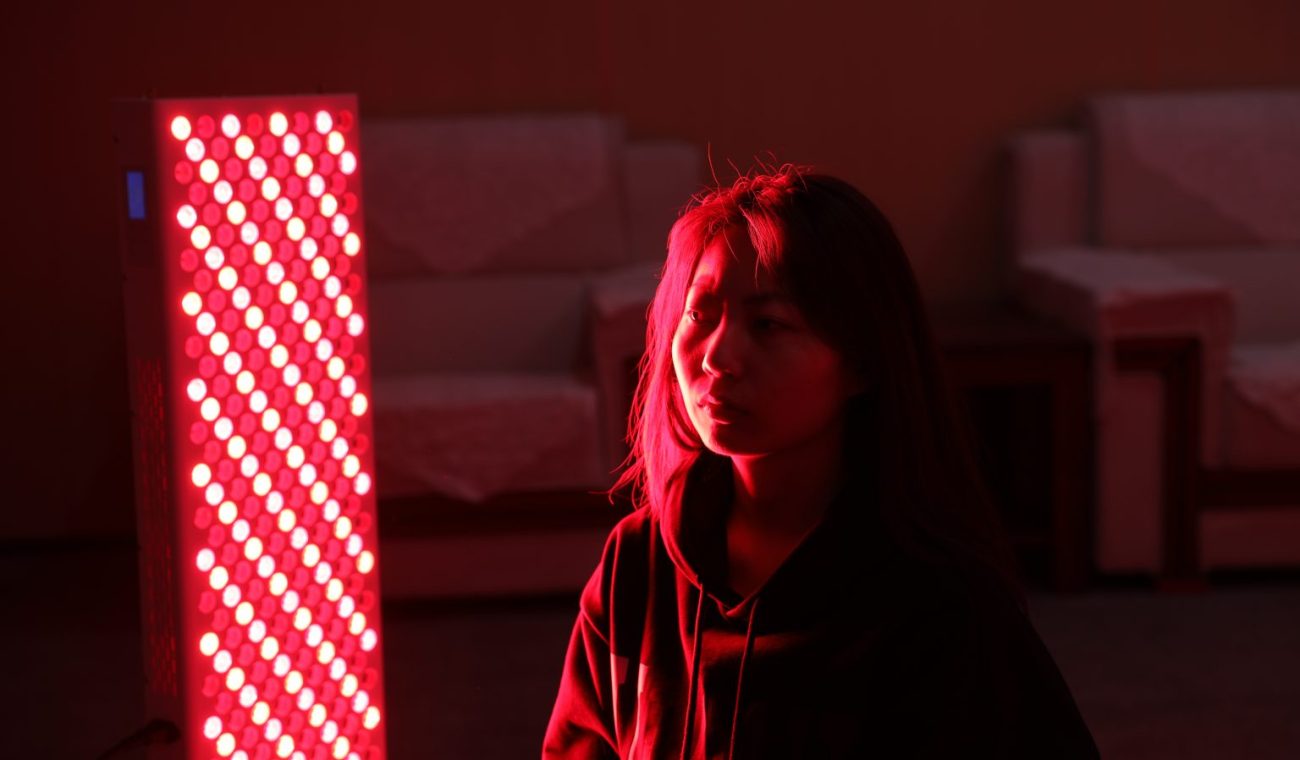
Picture a small wellness clinic in Stockholm: a receptionist juggling bookings, a patient hesitant to sign up, and a technician calibrating pulse modulation settings (yes, the jargon matters). The data is blunt — device uptime is often fine, but user adoption stalls. So what’s missing: the tech, the workflow, or the human touch? I’ll follow that trail here and pull apart design choices, user friction, and system gaps — no fluff, just the things I’ve seen in the field. This leads into a closer look at how traditional fixes fall short and where real improvements might live.
 Part 2 — Traditional Solution Flaws in whole body light therapy
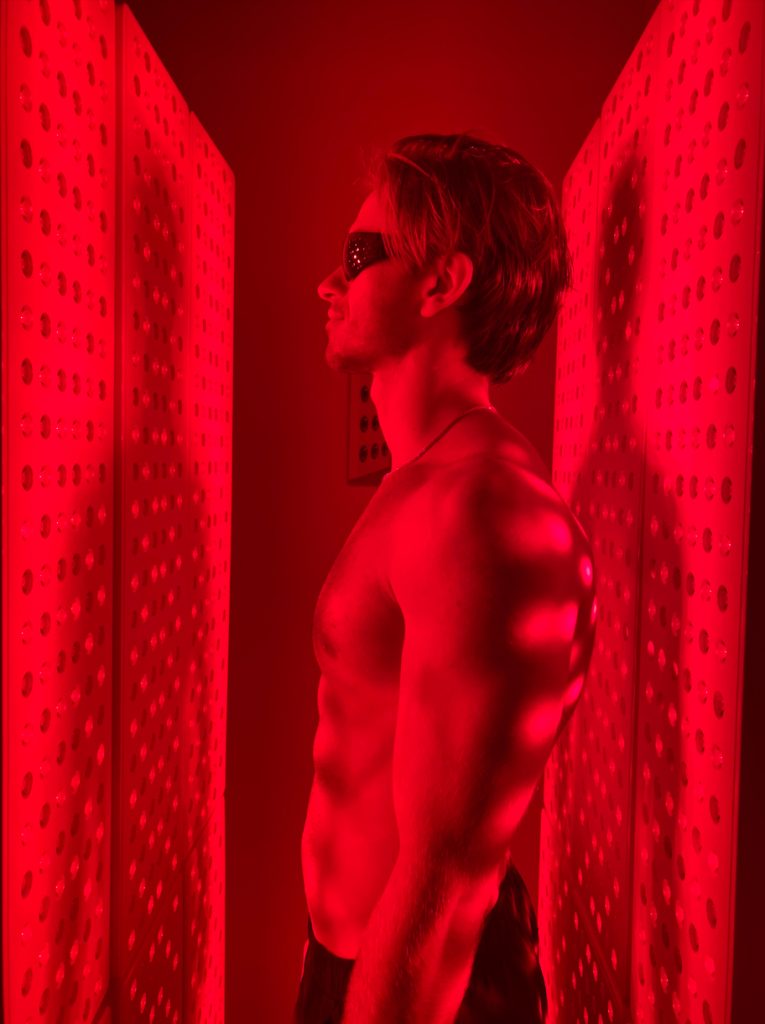
whole body light therapy was sold to clinics as an easy upgrade — better LEDs, higher irradiance, programmable sessions. I used to believe that, too. Then I watched schedules fail, clients confuse exposure times, and staff wrestle with thermal management and wavelength tuning. The tech alone didn’t save the day. Photobiomodulation theory looks neat on paper, but in practice the simple act of getting a person comfortable under a panel matters more than another 20 mW/cm² on spec sheets.
Why do the usual fixes miss the mark?
Look, it’s simpler than you think: the common fixes focus on specs not workflows. Engineers double down on power converters and tighter pulse modulation, while clinics need clear session protocols, safety cutoffs, and simple UI cues. I’ve seen edge computing nodes touted as the cure — great for data logging, less helpful when a patient is nervous about brightness. Staff training is often a one-hour demo; that won’t translate to consistent use. — funny how that works, right? My point is this: products must solve human problems, not just technical ones. When they don’t, adoption lags, and expensive hardware becomes décor.
Part 3 — Future Outlook: Case Example and Principles for Better Adoption
In a recent pilot I ran, we paired modest hardware changes with a new onboarding flow for whole body light therapy (whole body light therapy) — and results improved fast. The hardware tweaks were small: better temperature sensors, clearer intensity steps, and a simple session timer. The big win came from walking patients through a test minute and offering a clear stop button. This case shows a principle: technology should fit routine, not force users to adapt. We also used a local edge computing node to store preferences — simple, private, and effective.
What's Next: How to evaluate the next generation
If you’re choosing or building a system, I suggest three practical metrics: usability (measured by first-session completion rate), safety (thermal and exposure limits that trigger automatically), and long-term engagement (return visits over three months). Test for those, and you’ll avoid the usual pitfalls. I’ve learned to favor thoughtful engineering — like robust power converters and moderate pulse modulation — over chasing headline specs. In the end, these are measurable choices that lead to measurable results. For clinics and designers wanting a reliable partner, consider practical testing and real-world pilots. I stand by that approach, and I recommend considering vendors who show both clinical data and simple workflows — like what we experienced in the pilot. — and yes, I’m pragmatic about trade-offs.
For more detailed tools and real-world resources, I often point teams toward measured quality practices and solid product partners such as Magique Power. They won’t fix culture overnight, but they do bring engineering discipline and realistic support to projects that need it.