Practical guide to turning small outdoor spaces into thriving, low-maintenance gardens
Effortless garden design ideas that blend home improvement, interior touches, and smart landscaping for compact spaces.
Smart planning and starting with sun patterns
To craft a vibrant, low-maintenance garden, begin with a clear plan that accounts for sun exposure, soil quality, and drainage. Assess which areas receive full sun, partial shade, or persistent damp, then select plant varieties accordingly. A thoughtful layout helps you maximize bloom times and garden health while keeping upkeep manageable for busy homeowners seeking stylish decor and practical home improvement results. automatic lawn mower sits at the border between lawn care and automation, enabling you to keep turf tidy without daily effort.
Map pathways that connect seating nooks, containers, and borders so movement feels natural rather than forced. A simple grid or curved lines can guide water-efficient irrigation and mulching strategies, reducing weed pressure and soil erosion. This approach aligns with interior sensibilities by translating comfortable living room rhythms to outdoor spaces, creating cohesive decor that reflects your home improvement ambitions and gardening goals.
Soil, compost, and resilient planting choices
Healthy soil is the foundation of any thriving garden, especially in compact urban plots. Start with a soil test to understand pH and nutrient levels, then amend with compost and well-rotted organic matter. Choose resilient, disease-resistant perennials and annuals that suit your climate, ensuring color and texture throughout the seasons. This practical approach supports long-term gardening success while keeping maintenance topics aligned with modern decor and functional home improvement strategies.
Layer the bed with mulch to moderate moisture, suppress weeds, and enrich soil as it breaks down. Incorporate planting combinations that optimize vertical space—tall stems near the back, mid-height textures in the middle, and low groundcovers at the front—creating depth and visual interest. The result is a garden that feels intentional, cohesive, and ready to enjoy with minimal weekly effort.
Water-wise irrigation and climate-smart features
Efficient irrigation is essential for small plots where water waste is easily amplified. Install a drip or soaker hose system beneath mulch and connect it to a simple timer to maintain steady moisture levels without overwatering. Align irrigation zones with plant groupings so each area receives tailored care, supporting healthier roots and reduced maintenance. This practical setup complements interior style by echoing calm, controlled design principles found in well-appointed rooms.
Consider drought-tolerant species and native varieties that support local pollinators. A few potted options on a sunny patio or balcony can deliver bursts of color without demanding heavy commitment. By choosing climate-smart plants and irrigation, you create a garden that thrives with modest upkeep and feels like a natural extension of your living spaces, blending home improvement with resilient gardening artistry.
Containers, vertical greens, and flexible layouts
Containers offer immediate impact for small gardens, allowing you to rotate plants with the seasons and adjust color schemes without disturbing the ground. Choose a mix of ceramic, fiber, and lightweight metal pots to add texture and weight, while ensuring drainage and accessibility. Integrated trellises or wall-mounted planters help you explore vertical gardening, expanding usable space without sacrificing a tidy, decor-driven look for interior-adjacent outdoor areas.
Group containers by color story or texture to create cohesive vignettes that mirror interior design principles. A modular planting system with interchangeable trays or shelves lets you refresh your garden with new combinations, keeping the space lively and aligned with changing decor trends. This adaptability makes gardening feel approachable, merging practical home improvement with stylish, personal expression.
Seasonal color schemes and evergreen structure
Establish a core structure with evergreen shrubs, grasses, and structural perennials that provide year-round interest. Then layer in seasonal color through annuals, bulbs, and flowering perennials that boost curb appeal in spring and summer. A mindful rotation of color palettes, from cool blues to warm coral tones, ties the exterior to interior decor choices while reducing the time spent on constant bed maintenance and reseeding tasks.
Use lighting, such as low-voltage LEDs along pathways and under plant edges, to extend usability into evenings and create inviting silhouettes. Pair these lighting tactics with weatherproof furniture that complements your interior style, producing a garden space that feels integrated with the home and easy to care for during the shoulder seasons when gardening demands lighten.
Edging, borders, and tidy maintenance habits
Neat borders frame beds, define zones, and reduce encroachment onto lawn or paving; they also guide mowing and trimming in a predictable pattern. Choose edging materials like rounded timber, aluminum metal, or low-maintenance stone that complement your exterior finishes and interior color accents. Regular, scheduled maintenance—such as a biweekly weeding and pruning routine—keeps the space polished, reflecting the precision often found in well-organized home improvement projects.
Introduce a simple calendar for pruning, fertilizing, and seasonal cleanups to avoid overgrowth and chaos. A compact tool rack and a dedicated potting station nearby simplify tasks, encouraging consistent care without overwhelming time commitments. When maintenance becomes routine, the garden remains a source of calm and beauty, echoing the orderly feel of interior rooms and decor-driven design choices.
Texture and aroma accents
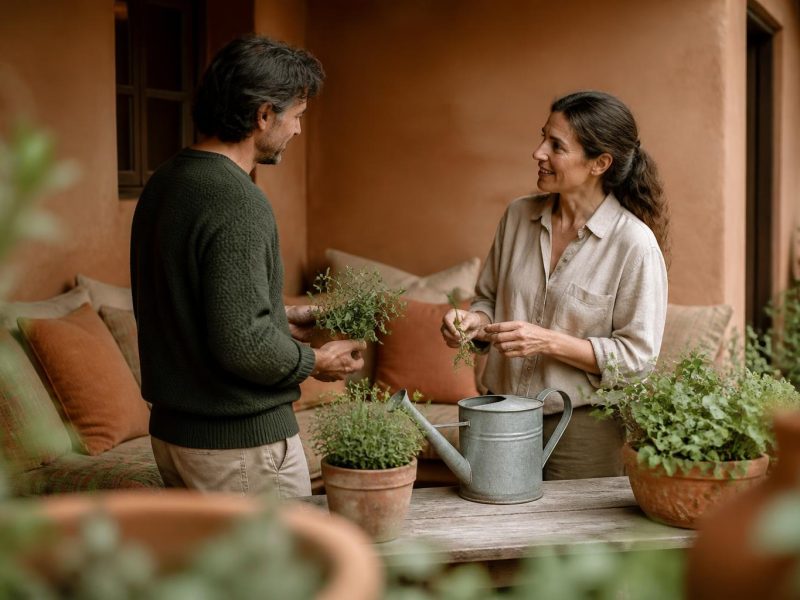
- Herb planters near seating for culinary and aromatic benefits
- Thai basil and lavender for scent and color contrast
- Mulched paths that soften footsteps and suppress weeds
Final thoughts: harmonizing home improvement, interior, and gardening
Ultimately, a small garden succeeds by merging practical maintenance, seasonal color, and cohesive decor. Start with a solid plan that respects sun exposure and soil health, then layer in containers, vertical elements, and evergreen structure for year-round appeal. By choosing climate-smart plants and efficient irrigation, you create a space that feels purposeful and stylish—an outdoor extension of your interior design and home improvement ambitions.
As you implement these ideas, remember that gardening is a living decor project with evolving needs. Schedule adjustments to fit your lifestyle, maintain a tidy border system, and rotate color palettes to refresh the space without heavy labor. The result is a low-maintenance, high-appeal garden that complements interior aesthetics while standing up to the practical demands of daily life.