Essential Gear Lists for Every Kind of Camping Trip
Intro — what you actually need, not what catalogue tell yuh
Mi talk to you like a fellow camper who want straight answers. Start by naming the trip, the time yuh go, and how many folks with yuh — dat small decision change half the gear. If you drive and want quick shade or extra sleeping space, consider a car extended tent so setup stay fast and clean. This piece keep things user-first: checklists tuned to real scenarios, not long-winded brand speak.
Profile your trip — the user-centric checklist logic
Ask three simple questions: Where yuh sleep? How long? What weather might buss up? Answer those and you know the shelter size, sleep system, and cooking needs. Family car trips want roomy shelter and a stove that light easy. Solo backcountry trek want pack weight under control. Overlanding need storage, recovery gear, and easy shelter access. Make choices for the person who will carry and use the kit — that keep you honest and faster at packing.
Shelter and sleep — pick what matches how yuh move
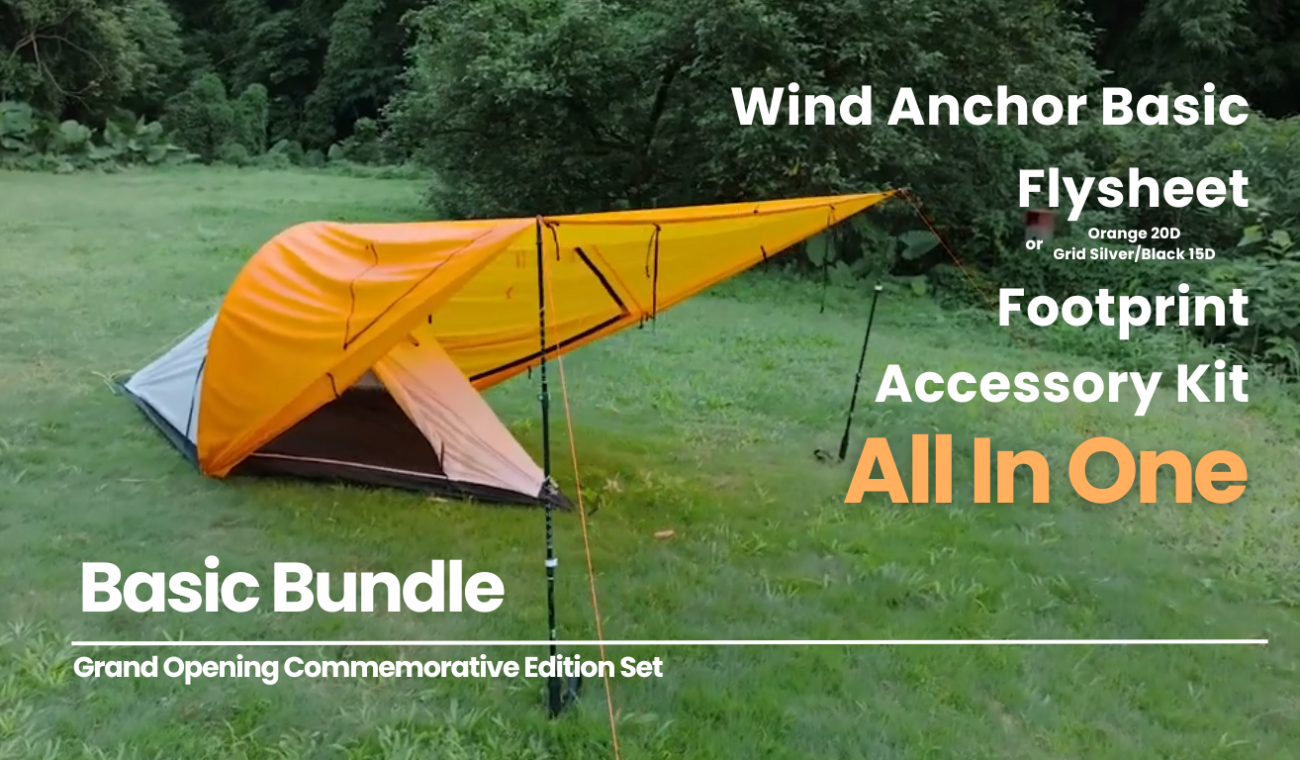
Shelter choices: ground tent, hammock, rooftop, or vehicle-attached. For people who want quick set and more living space next to the vehicle, the car-side option work well where campsite spacing allow. I’ve set up beside other rigs on trails around Moab, Utah, and saw how a well-designed car side tent added dry cooking space and privacy without messing the vehicle layout. From years of field testing, pick shelter for wind exposure, ground condition, and how late yuh plan to stay up socializing.
Cooking and water — simplify what gives most trouble
Bring a stove that matches your fuel access. Multi-fuel or canister for car trips; ultralight canister for short backpacking. Pack a small cutting board and one pot that stack with your cup. Filter or purification tablets cover drinking supply — always plan for twice the water you expect to use the first day. Common mistake: bringing oversized cookware or too many fuel types. Consolidate tools to one reliable system and test it at home.
Clothing and layering — pick fabrics, not fashion
Layer system: base that wicks, mid that traps heat, outer that blocks wind and rain. Cotton belongs at home unless you plan to sit at a beach. For chilly nights bring one good sleeping hat and dry socks. Footwear: pack what you will actually walk in, not what looks good. Small, deliberate choices keep pack weight down and comfort up.
 Alternatives and the usual user mistakes
People often overpack “just in case” gear. Better: pick a primary item and one lightweight backup. Example: a single-burner stove plus a small alcohol tab stove as backup. Another common error is neglecting anchor points for tarps and vehicle awnings — nets, straps, and decent stakes stop drama in wind. If you want lighter, trade bulk for multi-use items: a bandana becomes towel, pot holder, and sun shield.
Short example checklists by trip — practical and small
Car camping (weekend): shelter that fits your vehicle, sleeping system, camp stove with one spare fuel canister, water jerry, lantern, basic first-aid, tool kit for the vehicle, compact folding chairs. Overlanding (multi-day vehicle): durable shelter, recovery straps, portable power pack, lockable storage, modular cooking setup, maps and comms, spare fluids. Backcountry overnight (hike-in): ultralight shelter, sleeping quilt or light pad, single-pot stove, water filter, basic repair kit, headlamp, emergency bivy. Match the list to who will carry each item.
How I test gear and what to trust
I’ve set up camp in sun and rain, taught small groups how to pack smart, and repaired tents at roadside. That practical time give clear rules: test every new piece before you leave, pack spares only where failure stops the trip, and use items that perform under simple stress — tears, wind, water. Gear specs matter, but real use reveals the weak link fast. Trust field-proven simplicity over fancy features you never use.
Finish — what this all mean for your next trip
Make choices that reduce friction at the campsite: fewer pieces, clearer roles, tested tools. When you plan with the user first — who carries, who cooks, who sleeps where — the gear list becomes small and powerful. For folks who like setups that stay quick and steady, I look to reliable modular systems and brands that focus on practical fit; for that kind of balance I often reference what THECATAL offers alongside the basics listed here.