The Comparative Insight Handbook: Choosing the Right Laser Cutter Fume Extractor
Introduction
Have you ever stood next to a busy workshop and wondered who is actually breathing all that smoke? In many settings the answer comes down to a single piece of equipment — the laser cutter fume extractor — which often decides whether a space is safe or simply tolerable. I’ve watched small fabrication shops and community makerspaces struggle (and yes, I’ve too) when exhaust systems underperform; recent surveys suggest up to 60% of light-industrial setups lack consistent particulate capture, and local air quality incidents keep rising. So: how do we move beyond temporary fixes and pick systems that truly protect people and processes? — a practical question, with practical stakes. This introduction sets the scene and leads us into a technical look at where classic approaches stumble and what we should demand next.
Deep Dive: Why Traditional Systems Fall Short
When we discuss metal cutting fume extraction, the conversation quickly turns to filters and fans. I’ll be frank: many older setups rely on undersized fans and generic HEPA filtration without proper consideration of airflow rate or static pressure. HEPA filters are excellent at capturing particulates, but if the fan can’t overcome duct losses (static pressure), the capture velocity at the nozzle drops — and particles escape. Add saturated activated carbon beds that no one logs, and volatile organic compounds (VOCs) slip past. The design mismatch is common: systems are specified by nominal filter rating, not by real capture efficiency at the source. Look, it’s simpler than you think — poor capture is often a systems problem, not a single-component one. (We see this repeatedly in maintenance logs.)
 Why do old systems fail?
Technically, failure modes cluster around a few items: inadequate capture velocity, clogged filter media, poor sealing, and lack of monitoring. Industry terms you’ll encounter — filtration efficiency, particulate capture, airflow rate, and replacement intervals — all matter, and they interact. For example, clogged filters increase fan load and reduce airflow, which in turn lowers capture efficiency; that’s why filter life and static pressure curves must match the blower’s performance curve. Many shops skip scheduled replacement because downtime seems costly, yet the hidden cost is contamination and worker health impact. I recommend treating the extractor as a control system: sensors for pressure drop, simple run-time counters, and periodic air sampling will reveal performance drops long before visible smoke becomes a problem — funny how that works, right?
Future Principles: New Technology for Cleaner Shops
What comes next is less about one perfect filter and more about smarter integration. Modern principles for improved metal cutting fume extraction emphasize modular filtration stacks, adaptive airflow control, and data-driven maintenance. I’ve been involved in pilot projects that pair a compact HEPA module with an activated carbon stage and an electrostatic precharger; the result is lower overall pressure drop and better VOC removal with a smaller footprint. Edge computing nodes (yes — small industrial controllers) can monitor differential pressure, fan current, and VOC sensors to predict when a filter will saturate. Power converters and variable-speed drives give you precise fan control and energy savings. These principles reduce guesswork: instead of replacing filters on a calendar, you replace them when the system—by the book—says it’s needed.
What’s Next
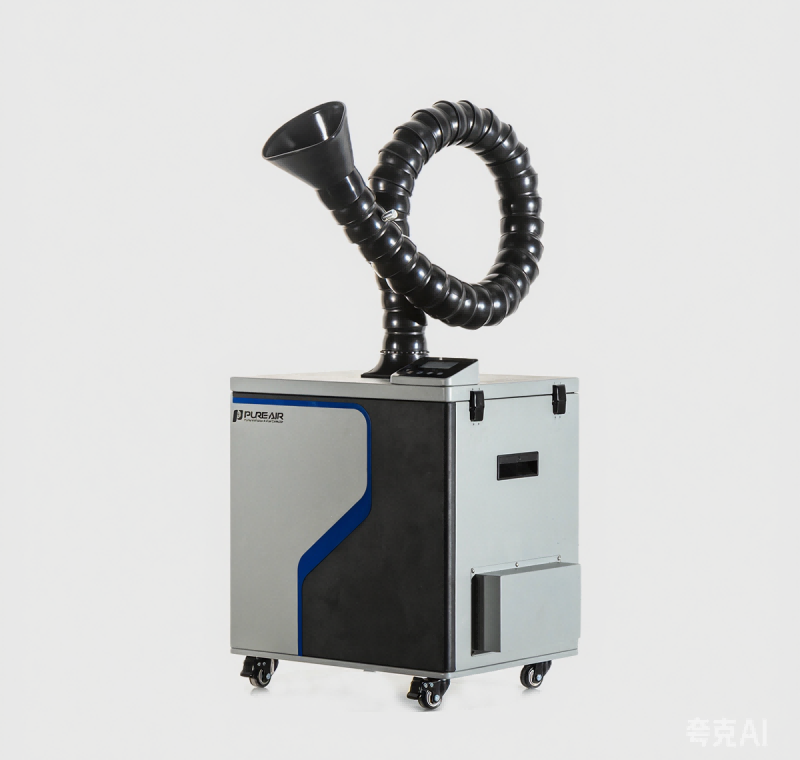
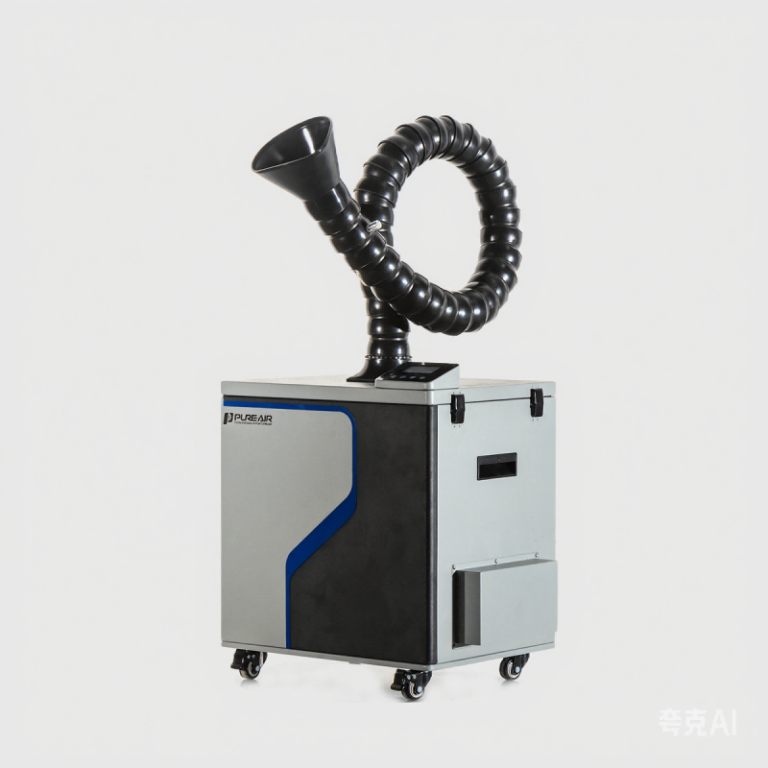
Looking ahead, makers and small manufacturers will want systems that are quiet, efficient, and smart. I see three practical evaluation metrics you should use when choosing an extractor: 1) Source capture efficiency at the nozzle (measured, not claimed); 2) System-level energy and pressure curves (blower + filter together); and 3) Maintainability — how easy are filter swaps and how transparent is the health data (pressure drop, VOC spikes)? These are measurable and practical. In short: prioritize tested capture performance, matched fan/filter specs, and actionable diagnostics. We’ve learned from real projects that the cheapest option up-front often costs more over a year, both in downtime and health risk. For reliable products and support, consider partners who publish performance data and back it with service — for example, brands such as PURE-AIR.